Australia's Rebuild Has Started - But Not Every Event Is Ready for LA
Australia's Track Nationals were the sort of meeting that could be read badly from a distance. Records fell, strong domestic performances stacked up, and the headline version wrote itself. But Brisbane did not show one Australian programme moving forward in unison. It showed something more uneven than that: a few events with real LA relevance already, others still well short of international medal level, and a rebuild whose shape is clearer than its eventual ceiling.
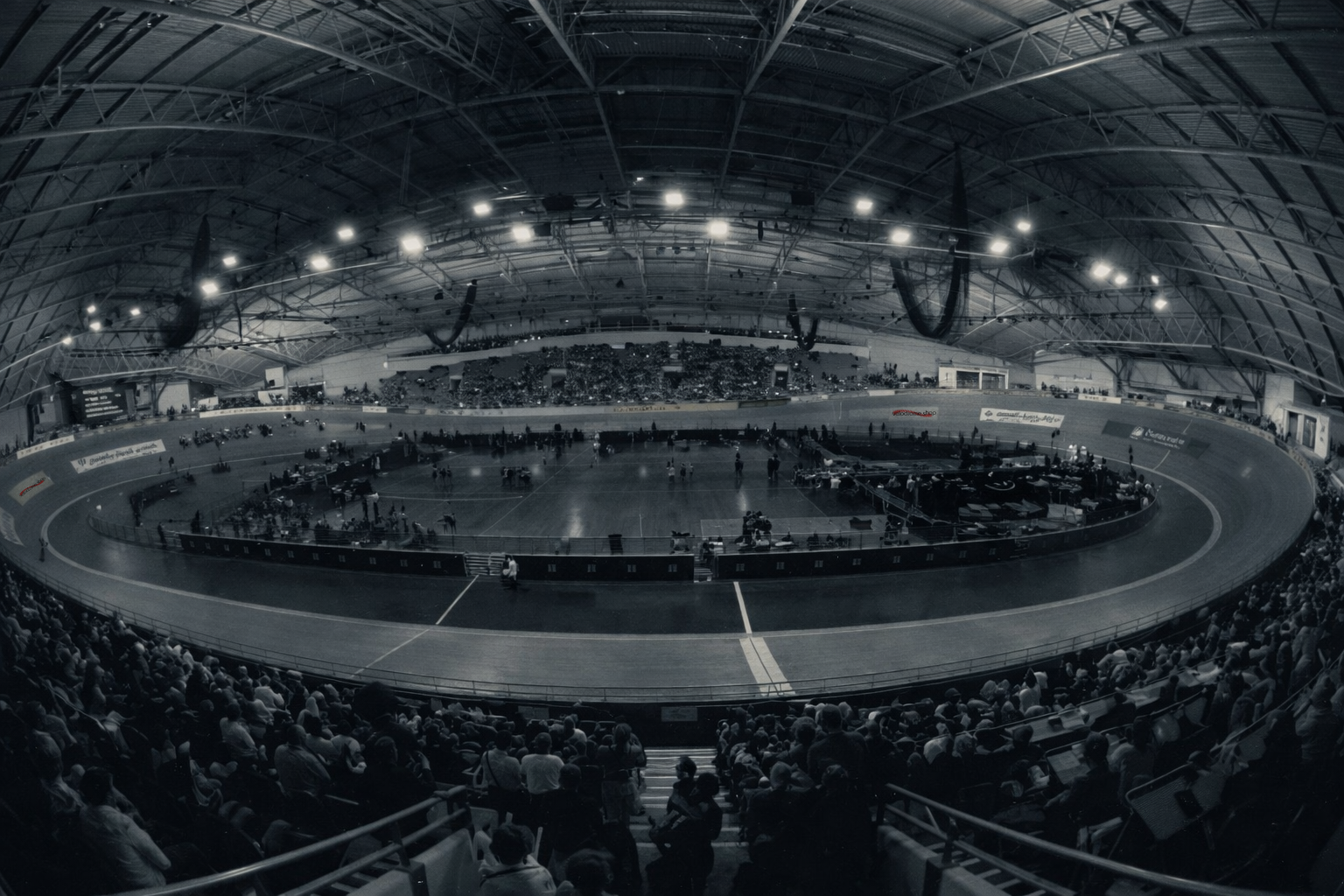
Australia is not rebuilding every corner of the programme from rubble. The men's endurance side, in particular, still has proof behind it. But the wider shape of the squad has changed, some old certainties have gone with it, and AusCycling has moved into a formal pathway reform phase under Project Ascent with Matthew Gilmore brought in to help mobilise the recommendations from the review into junior selection policy and the wider performance pathway. Brisbane 2032 is no longer a distant talking point either. Queensland's new cycling Centre of Excellence places the national track sprint programme at Anna Meares Velodrome, frames the move explicitly around LA 2028 and Brisbane 2032, and sits alongside the plan for the same venue to host the 2030 UCI Track World Championships.
The rebuild is not only visible in rider turnover. It is visible in who is being trusted to shape the next version of the programme. Kaarle McCulloch's return from British Cycling gives Australia a serious figure inside that process. She had been Great Britain's women's sprint podium coach before coming home to a Queensland Academy of Sport role, and her brief goes beyond one state or one season: she is also leading a national push around the women's team sprint towards LA 2028 and Brisbane 2032. Australia is making deliberate staff decisions around the events where the next cycle needs structure rather than vague hope.
The clearest sign that the rebuild is not all theory came from Hoffman. He is not a rider inflated by a fast domestic track and a good week. He won sprint bronze and keirin silver at the 2025 World Championships in Santiago, qualified fourth there in 9.410, and then came back to Brisbane to go even quicker with 9.321 before completing the sprint-keirin double. That is not a domestic mirage. It is a rider already operating at world-medal level and carrying real LA weight. If Australia is looking for the part of its sprint programme that already feels close rather than aspirational, it begins with him.
Why Road Teams Still See Track as Pointless
The problem is usually disguised as scheduling. A rider wants to go to the track, perhaps for a World Cup, perhaps for Europeans, sometimes even for Worlds, and the road team sees inconvenience rather than value. A road camp matters. A road block matters. The team ranking matters. Track, too often, still does not. The UCI's 2027 changes recognise part of that problem, but not enough of it. The conversation is usually polite. That is part of the problem.
A rider wants to ride the track. The road team looks at the calendar and sees disruption. A training camp matters. A road preparation block matters. The season has its own rhythm. The rider can do track another time. In tone, it sounds professional and reasonable.