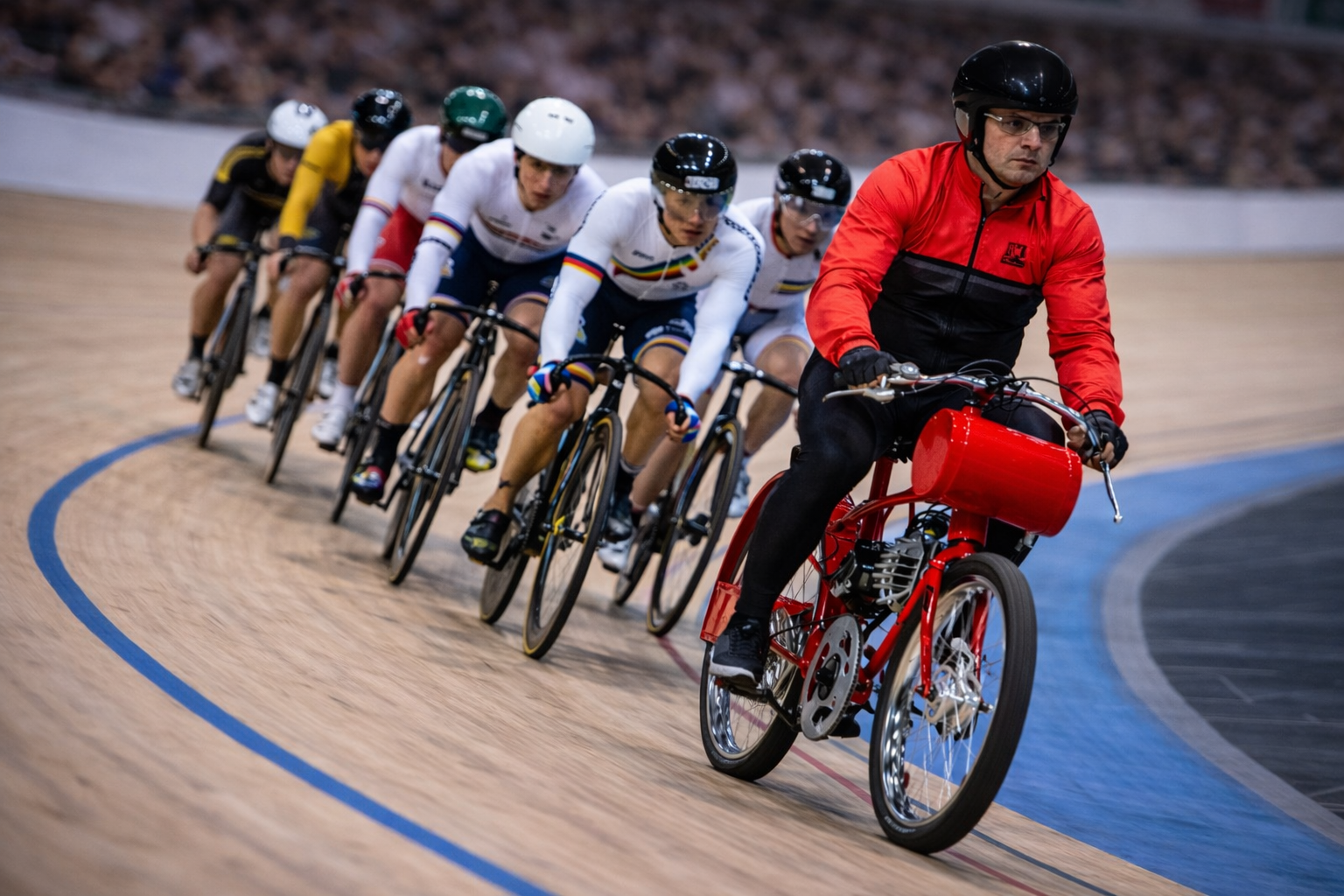
Japanese keirin is one national sport built out of many local stages. That is what gives the 2026 international series its proper shape. The summer does not unfold at one prestige venue or inside one carefully controlled showcase. It moves across Japan, through a real domestic circuit, and that geography is central to the story.
Hofu - 3-5 June
Kokura - 26-28 June
Aomori - 3-5 July
Ito Onsen - 10-12 July
Kishiwada - 20-22 July
Tachikawa - 27-29 July
Wakayama - 6-9 August (GIII World Cyclist Fund Keirin)
Yokkaichi - 17-19 August
Gifu - 24-26 August
Kawasaki - 30 August-1 September
The six invited international riders - Harrie Lavreysen, Matthew Richardson, Joe Truman, Hetty van de Wouw, Ellesse Andrews and Mathilde Gros - are not being dropped into a single polished international event. They are being asked to move through a country-sized sporting culture with different local identities, different atmospheres and, crucially, different kinds of pressure.
Hofu, which opens the programme on 3-5 June, matters because it is first. First rounds are where uncertainty still has room to breathe. Riders arrive with international reputations, but without Japanese domestic form. Hofu therefore carries the pressure of first evidence. It is where the summer stops being an idea and becomes racing.
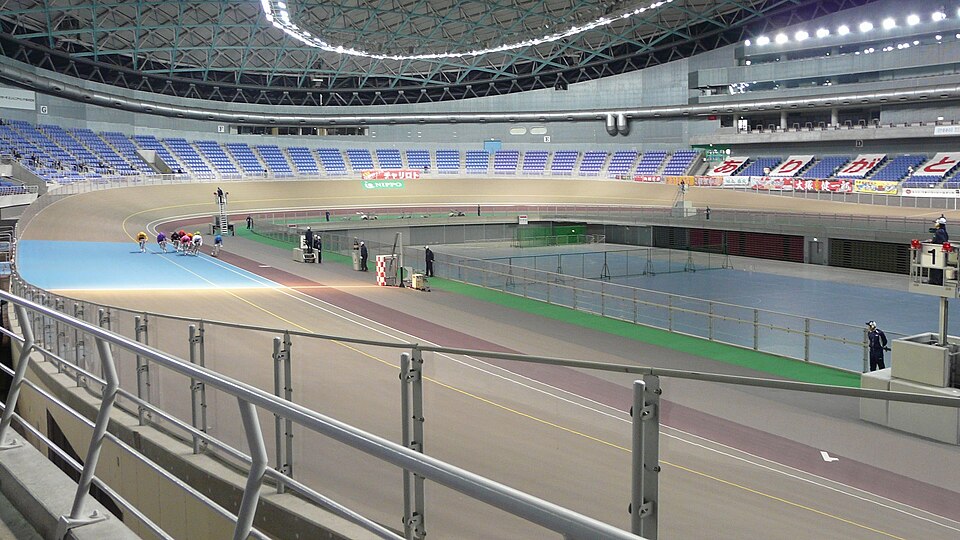
Then the series moves to Kokura on 26-28 June, and the whole calendar acquires historical weight. Kokura is not just another stop. It is keirin's point of origin. The first keirin race was held there in 1948, in the early post-war years when the sport was built into Japan's public sporting and revenue structure. That gives Kokura a status no other venue in the 2026 programme can claim. The invited riders will not merely be racing in Japan; they will be racing at the sport's birthplace.
After Kokura, the summer begins to widen. Aomori on 3-5 July takes the circuit north. Ito Onsen on 10-12 July gives it a more coastal, more atmospheric stop. Kishiwada on 20-22 July pulls the series into the Kansai region, while Tachikawa on 27-29 July brings it closer to Tokyo. At that point, the calendar starts to reveal what Japanese keirin really is: not one image repeated from venue to venue, but a national network of tracks spread across very different parts of the country.
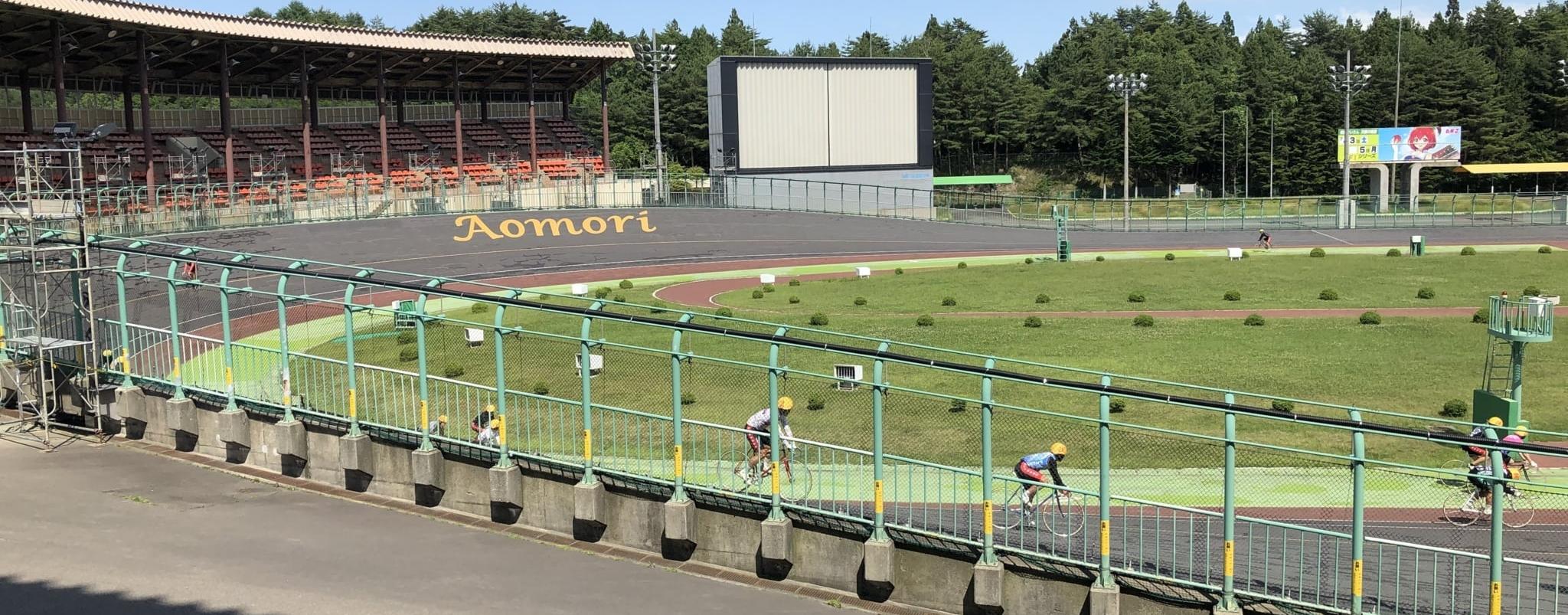
Aomori matters because it makes the series feel geographically broader and less metropolitan. It reminds you that keirin is not confined to a few obvious centres. Ito Onsen does something different. It gives the summer a venue that feels shaped by place in a more visual, almost travel-like sense. Kishiwada brings a denser Kansai edge, the sort of stop that makes the series feel more urban and more forceful. Tachikawa, by contrast, carries the significance of Tokyo proximity. By the time the riders reach it, they should no longer look like honoured visitors. They should be starting to look like participants.
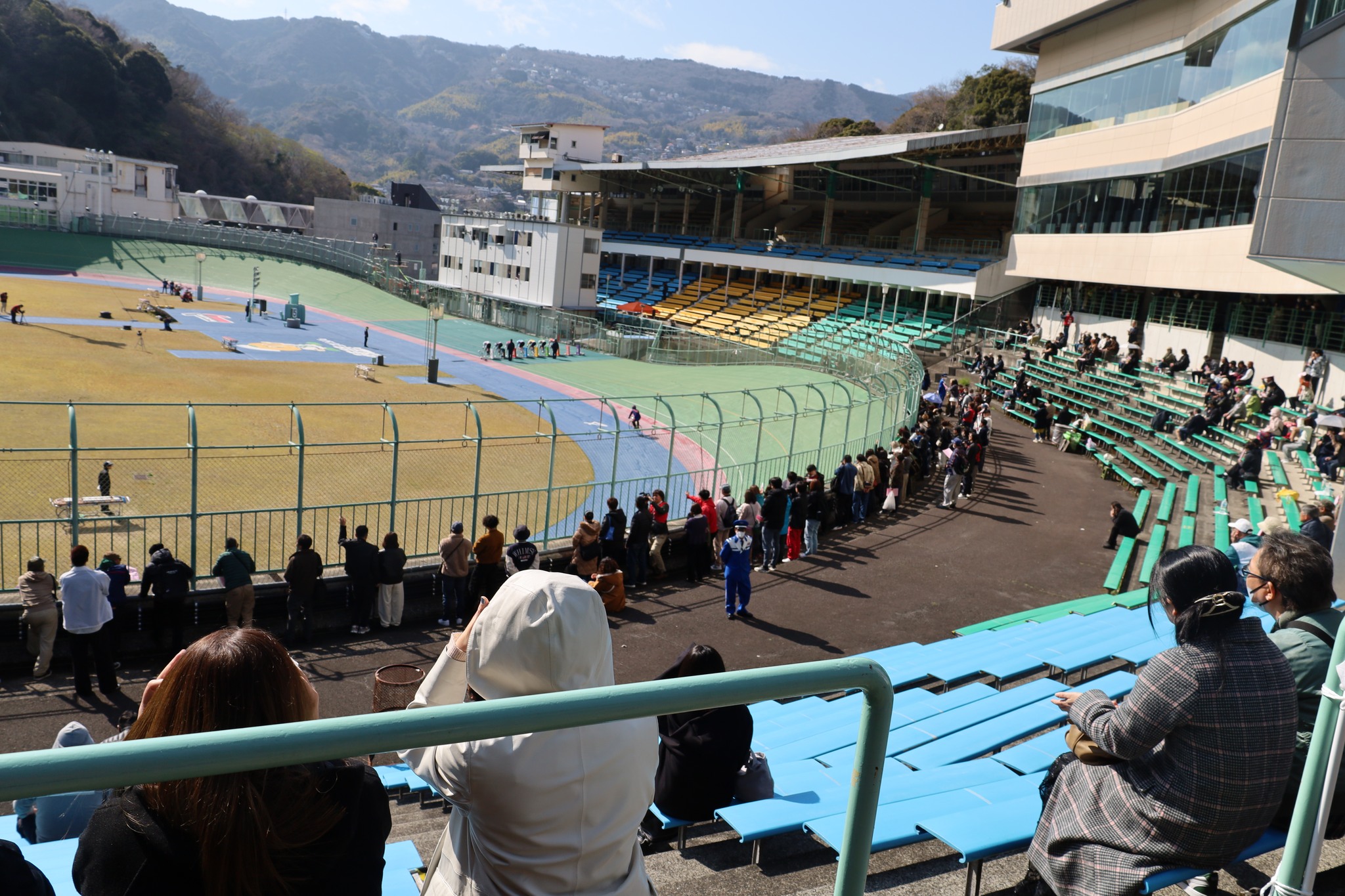
That is what makes the middle of the programme so important. Adaptation in Japanese keirin is not only tactical. It is environmental. A rider does not simply learn how to follow the pacer, read the movement and survive the final surge. A rider also has to learn how the sport feels as it moves from one kind of setting to another. The 2026 series is compelling because it puts the international riders inside that movement rather than isolating them from it.
The most revealing interruption in the whole structure comes at Wakayama. Rather than another F1 Keirin World Series round, it appears in the calendar as the GIII World Cyclist Fund Keirin, running from 6-9 August. That matters because it breaks the neatness of the series. A straight run of F1 rounds would have felt more controlled, more packaged. Wakayama makes the summer feel closer to the real texture of domestic Japanese keirin, where categories shift and the environment is not smoothed out for outside convenience.
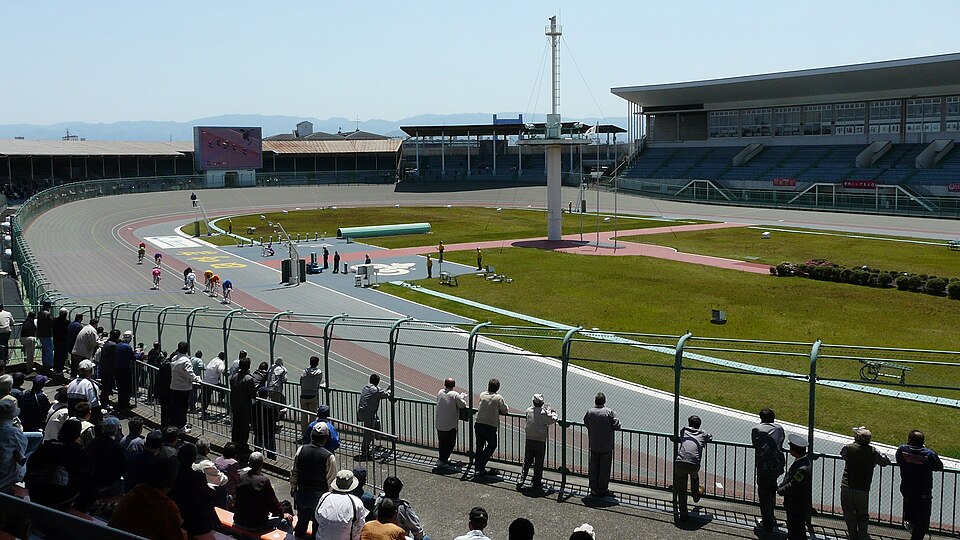
Then the series resumes its F1 shape at Yokkaichi on 17-19 August and Gifu on 24-26 August. These late-summer rounds may turn out to be the most revealing of all. Not because they are the most famous venues, but because by then the riders should have shed the protection of newness. Early in a series, people are still willing to say that everyone is learning. By rounds eight and nine, that explanation wears thinner. Yokkaichi and Gifu should therefore feel less like introduction and more like judgement.
That is one of the strengths of the calendar. It does not simply parade the riders from one headline stop to another. It lets the story mature. Hofu is about first evidence. Kokura is about origin. Aomori and Ito Onsen broaden the geography. Kishiwada and Tachikawa sharpen the summer's pressure. Wakayama complicates the structure. Yokkaichi and Gifu become the place where form should be properly understood.
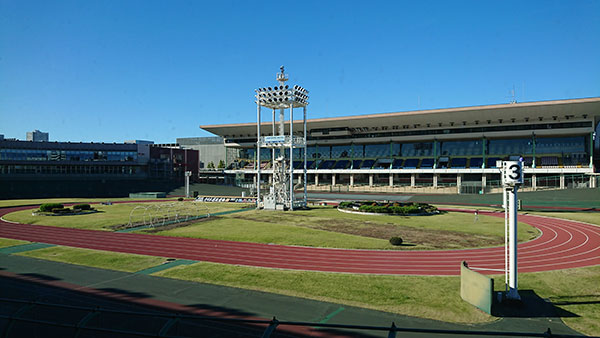
Finally comes Kawasaki, the last F1 round, from 30 August to 1 September. Endings always alter the meaning of a venue. Kawasaki will carry the accumulated meaning of the whole summer. By then the question will no longer be whether the international return sounded interesting in theory. The question will be whether it worked. Did the invited riders merely appear, or did they actually grow into the circuit? Did the series reveal something true about Japanese keirin, or only something true about how difficult it is for outsiders to enter it? Kawasaki will not answer those questions on its own, but it is where they will feel unavoidable.
Seen this way, the ten tracks are not ten isolated profiles. They are one narrative route through the sport. Hofu provides the opening uncertainty. Kokura provides origin. Aomori and Ito Onsen give the circuit regional and atmospheric breadth. Kishiwada and Tachikawa bring urban scale and Tokyo-area proximity. Wakayama breaks the rhythm with a GIII test. Yokkaichi and Gifu turn the summer into a true examination. Kawasaki closes the first chapter.
That is why this piece works best when it treats the venues collectively rather than sentimentally. Not all of them are legendary in the same way. They do not need to be. What matters is that together they show the real scale and depth of Japanese keirin. They show that this sport is not contained by one image, one city or one export-friendly narrative. It lives across the country, in different forms and with different textures, and the international riders of 2026 will have to move through that reality rather than around it.
In the end, that may be the most valuable thing about the whole project. It does not just bring famous riders into Japanese keirin. It forces the rest of the track cycling world to look properly at the tracks themselves.